Impact Stories: Your Contributions to the Food Drive
Updated: Aug 23
Food insecurity is a pressing issue that affects millions of people worldwide. Every year, communities come together to support food drives, aiming to alleviate hunger and provide essential nourishment to those in need. Your contributions to these food drives have a profound impact, not only on the individuals receiving the food but also on the community as a whole. In this blog post, we will explore the stories behind your contributions, the difference they make, and how you can continue to support this vital cause.

Understanding Food Insecurity
Food insecurity refers to the lack of reliable access to a sufficient quantity of affordable, nutritious food. According to the U.S. Department of Agriculture, approximately 10.5% of households in the United States experienced food insecurity at some point in 2020. This statistic highlights the urgent need for community support through food drives and other initiatives.
The Faces Behind Food Insecurity
Food insecurity affects people from all walks of life. It can impact families with children, the elderly, and even working professionals who may struggle to make ends meet. Understanding the diverse backgrounds of those affected can help foster empathy and encourage more people to get involved in food drives.
Families with Children: Many families face the challenge of providing enough food for their children, especially during difficult economic times. Your contributions can help ensure that children receive the nutrition they need to grow and thrive.
The Elderly: Seniors often live on fixed incomes, making it difficult for them to afford healthy food options. Your donations can provide them with essential groceries and alleviate some of their financial burdens.
Working Professionals: Even those who are employed may find themselves in precarious financial situations. Unexpected expenses can lead to food insecurity, making your support crucial for those who may not fit the typical mold of someone in need.
The Impact of Your Contributions
Every can, box, and dollar you donate to food drives has a ripple effect in the community. Here are some of the key impacts of your contributions:
Providing Essential Nutrition
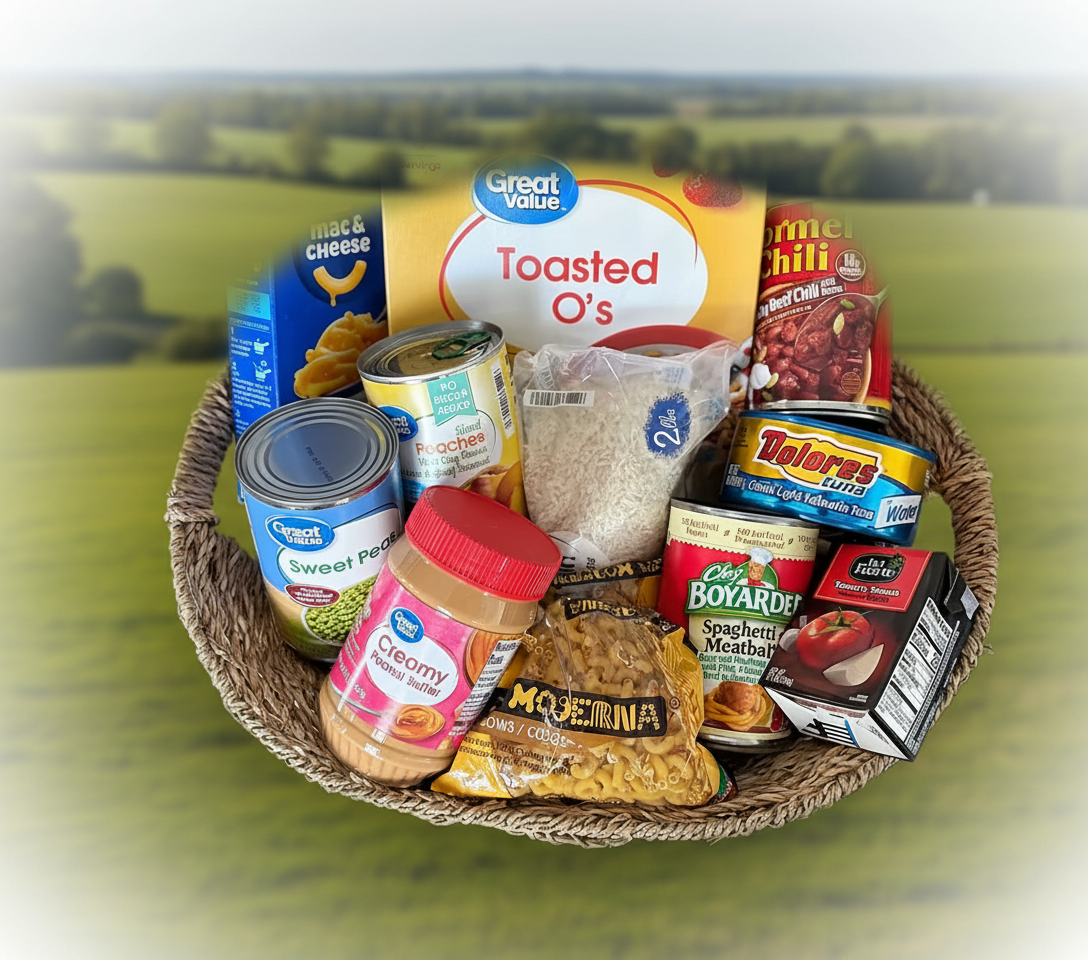
Your donations help provide essential nutrition to those in need. Many food drives focus on collecting non-perishable items, such as canned goods, pasta, and rice, which can be distributed to local food banks and shelters. These items are crucial for families who may not have access to fresh produce or protein sources.
Building Community Connections
Food drives foster a sense of community. When you contribute, you are not just helping individuals; you are also connecting with your neighbors and local organizations. This sense of unity can lead to stronger community ties and increased awareness of food insecurity issues.
Raising Awareness
Participating in food drives raises awareness about food insecurity in your community. By sharing your involvement on social media or through word of mouth, you can inspire others to contribute as well. This collective effort can lead to larger food drives and increased support for local food banks.
Supporting Local Organizations
Many food drives partner with local organizations that work tirelessly to combat hunger. Your contributions help these organizations continue their vital work, ensuring that they can provide food and resources to those in need.
Stories of Change
To illustrate the impact of your contributions, let’s explore a few stories of individuals and families who have benefited from food drives.
The Johnson Family
The Johnson family, consisting of two parents and three children, faced financial difficulties when the father lost his job due to the pandemic. With limited income, they struggled to put food on the table. Thanks to a local food drive, they received a box filled with nutritious food, including fruits, vegetables, and proteins. This support not only helped them meet their immediate needs but also allowed them to focus on finding new employment without the added stress of food insecurity.
Mrs. Thompson
At 75 years old, Mrs. Thompson lives alone on a fixed income. She often has to choose between paying for medication and buying groceries. When she learned about a nearby food drive, she hesitated to attend, feeling embarrassed about needing help. However, after encouragement from a neighbor, she decided to go. The food she received made a significant difference in her life, allowing her to save money for her medications while ensuring she had enough to eat.
The Community Kitchen
A local community kitchen relies on food drive donations to prepare meals for those in need. With your contributions, they can serve hundreds of meals each week to individuals experiencing homelessness and low-income families. The kitchen not only provides food but also offers a welcoming space for people to gather, share stories, and build connections.
How You Can Get Involved
Your contributions to food drives make a significant impact, but there are many ways you can continue to support this cause:
Organize a Food Drive
Consider organizing a food drive in your community, workplace, or school. Set clear goals, promote the event, and partner with local organizations to ensure your efforts reach those in need.
Volunteer Your Time
Many food banks and community kitchens rely on volunteers to help sort, package, and distribute food. Your time and effort can make a big difference in the lives of those who rely on these services.
Advocate for Change
Raise awareness about food insecurity in your community. Share information on social media, write articles, or speak at local events to educate others about the importance of supporting food drives and local organizations.
Donate Financially
If you are unable to donate food items, consider making a financial contribution to local food banks or organizations. Monetary donations can often be used to purchase food at a lower cost, maximizing the impact of your contribution.
Conclusion
Your contributions to food drives play a crucial role in combating food insecurity in your community. By providing essential nutrition, building connections, and raising awareness, you are making a difference in the lives of individuals and families in need. As you reflect on the stories shared in this post, consider how you can continue to support this vital cause. Together, we can create a stronger, more compassionate community where everyone has access to the food they need to thrive.
Let’s keep the momentum going and inspire others to join us in this important mission. Your actions matter, and together, we can make a lasting impact.


Comments